New Items Coming Soon


The Origins Of The Preppy Style: Embracing Preppy Chic Fashion Throughout The Years
Discover how preppy fashion evolved over the years from the Early 20th Century to Present Day 2025, lasting in relevance for over decade never losing it's charm.
MPD
2/27/20252 min read
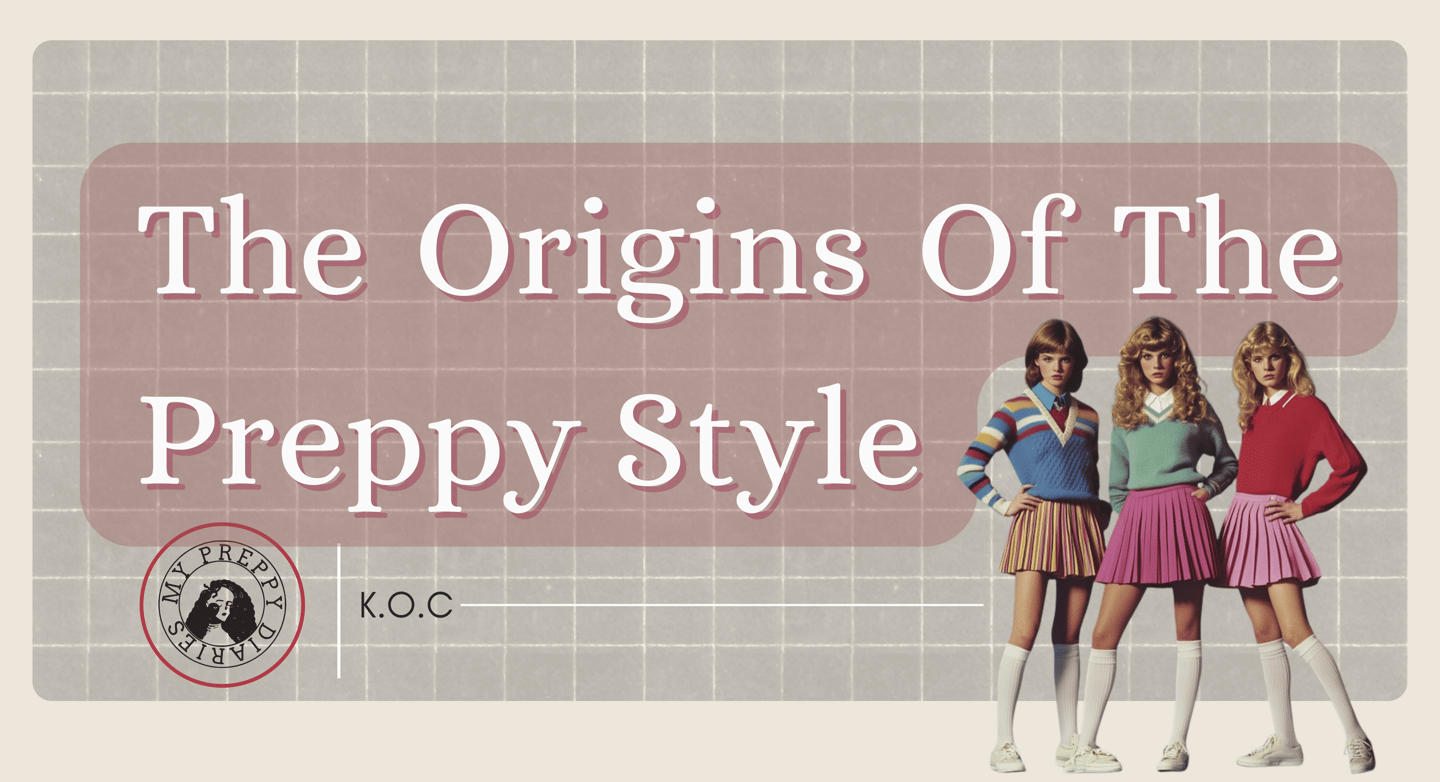
Preppy style is timeless, classic, and effortlessly refined—a fashion tradition that has endured for over a century. But where did this iconic look begin, and how has it evolved over the decades? Let’s take a journey through the history of preppy fashion.
Early 20th Century: Ivy League Roots
The origins of preppy style date back to the early 1900s, emerging from elite preparatory schools and Ivy League universities in the Northeastern United States. Inspired by British country club fashion, students embraced tailored blazers, crisp button-down shirts, and leather loafers. Iconic brands like Brooks Brothers helped define this polished aesthetic.
1920s-1950s: The Ivy League Look
By the 1920s, preppy fashion became synonymous with wealth and academia. The 1950s solidified the ‘Ivy League Look’—sport coats, chinos, and penny loafers. Fashion was not only about style; it was about status, setting the standard for collegiate dressing.
1960s-1970s: Tradition Meets Modernity
While counterculture movements dominated the 1960s, preppy fashion remained a symbol of traditionalism. By the 1970s, brands like Ralph Lauren and Lacoste revitalized the look, mixing classic pieces with contemporary trends. Polo shirts, cable-knit sweaters, and nautical-inspired attire became wardrobe staples.
1980s: The Preppy Revival
The 1980s saw preppy fashion explode in popularity. Thanks to the satirical yet iconic The Official Preppy Handbook, bold colors, monograms, and logos became trendy, with brands like Tommy Hilfiger and L.L. Bean becoming household names. Preppy style was now mainstream.
1990s-2000s: The Casual Twist
Preppy style took on a more relaxed vibe in the 1990s and early 2000s. Brands like J.Crew and Abercrombie & Fitch modernized the aesthetic for younger generations, pairing traditional pieces with denim, sneakers, and layered casual wear, giving birth to the ‘casual preppy’ look.
2010s-Present: Modern Preppy
Today, preppy fashion continues to evolve. Designers reinterpret classic elements, blending them with streetwear influences. Oversized blazers, vintage tennis skirts, and statement accessories keep the look versatile, contemporary, and enduring.
Conclusion
As a young Black girl discovering my love for preppy fashion, I often noticed how rarely women who looked like me were represented in this style—an aesthetic often associated with subtle luxury and refinement. Faith showed me that style can be a reflection of the soul. Just as God created each of us uniquely, preppy fashion offers a space for personal expression, creativity, and authentic selfhood, no matter who we are.
Through the decades—from the Ivy League looks of the 1920s and 1950s to the casual reinterpretations of the 1990s and the modern streetwear-infused preppy of today—this style has been a reminder that tradition and personal expression can coexist. Every pleated skirt, cable-knit sweater, or polished loafer can be an act of self-expression rooted in purpose.
Preppy style teaches us about patience, subtlety, and elegance, much like our spiritual journeys. It reminds us that confidence and grace are cultivated over time, and that authenticity—whether in fashion or faith—is always beautiful.From its Ivy League beginnings to modern reinterpretations, preppy fashion has never gone out of style. It’s more than clothing—it’s a legacy of sophistication, creativity, and timeless appeal.
The Origins Of Preppy Style: From Ivy League to Modern Fashion

MyPreppyDiaries
Registered Address:
To Contact:
© 2025. All rights reserved.
76-77 Shelton Street,Covent Garden, London,WC2H 9JQ
Connect with us on these platforms
Embrace preppy chic style with creativity and faith